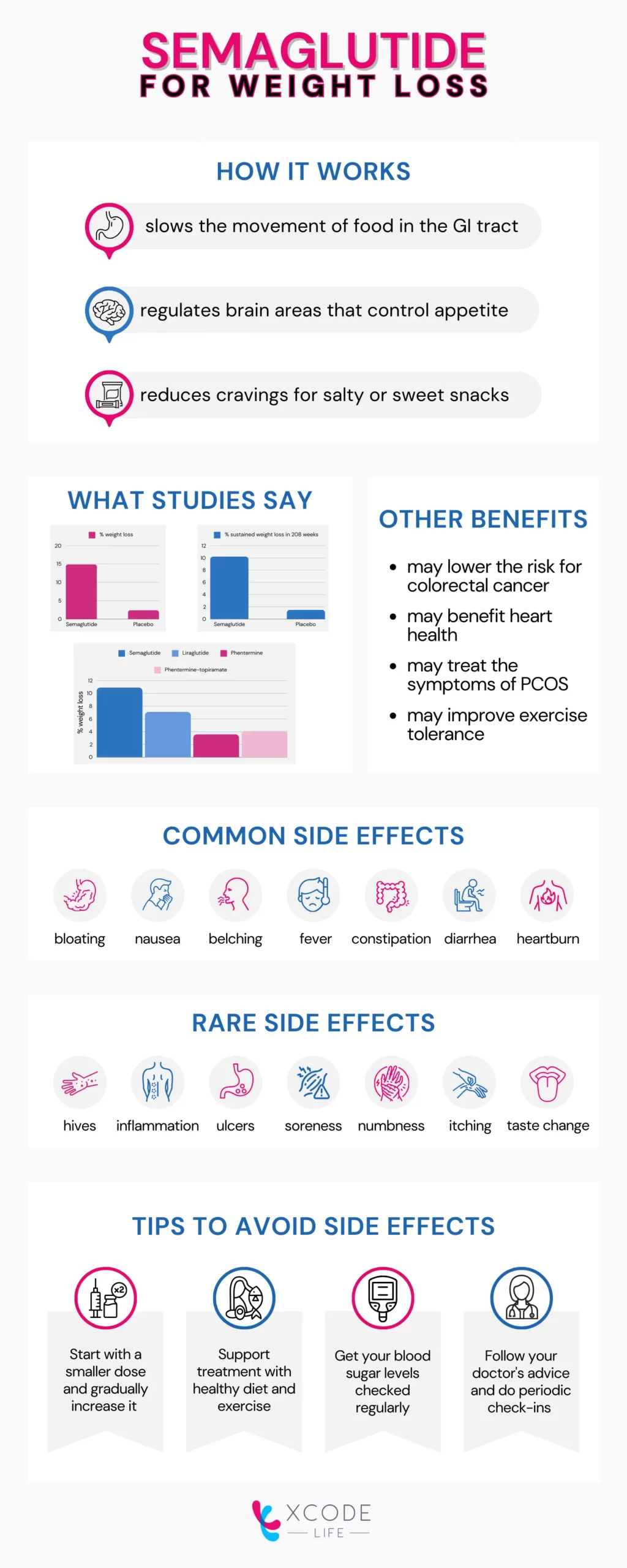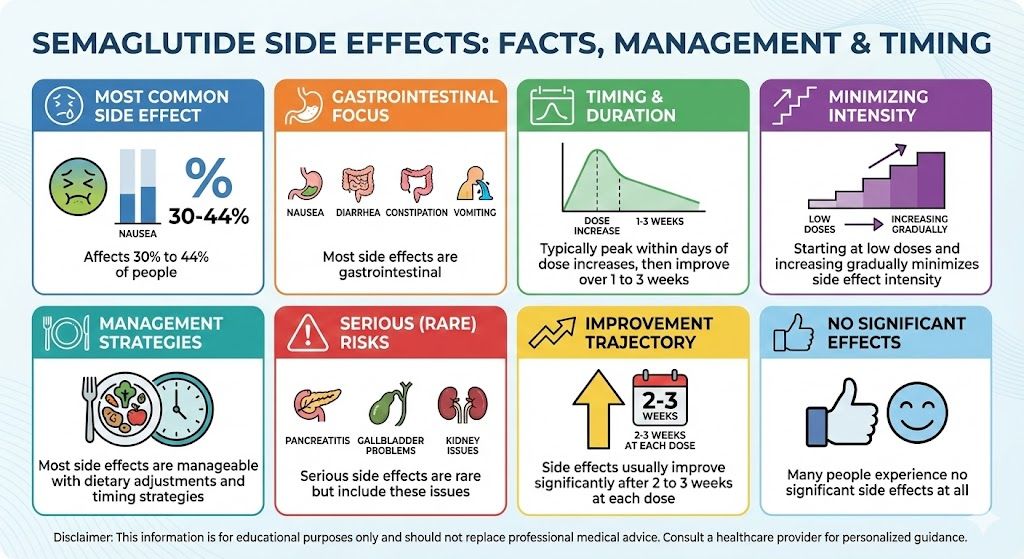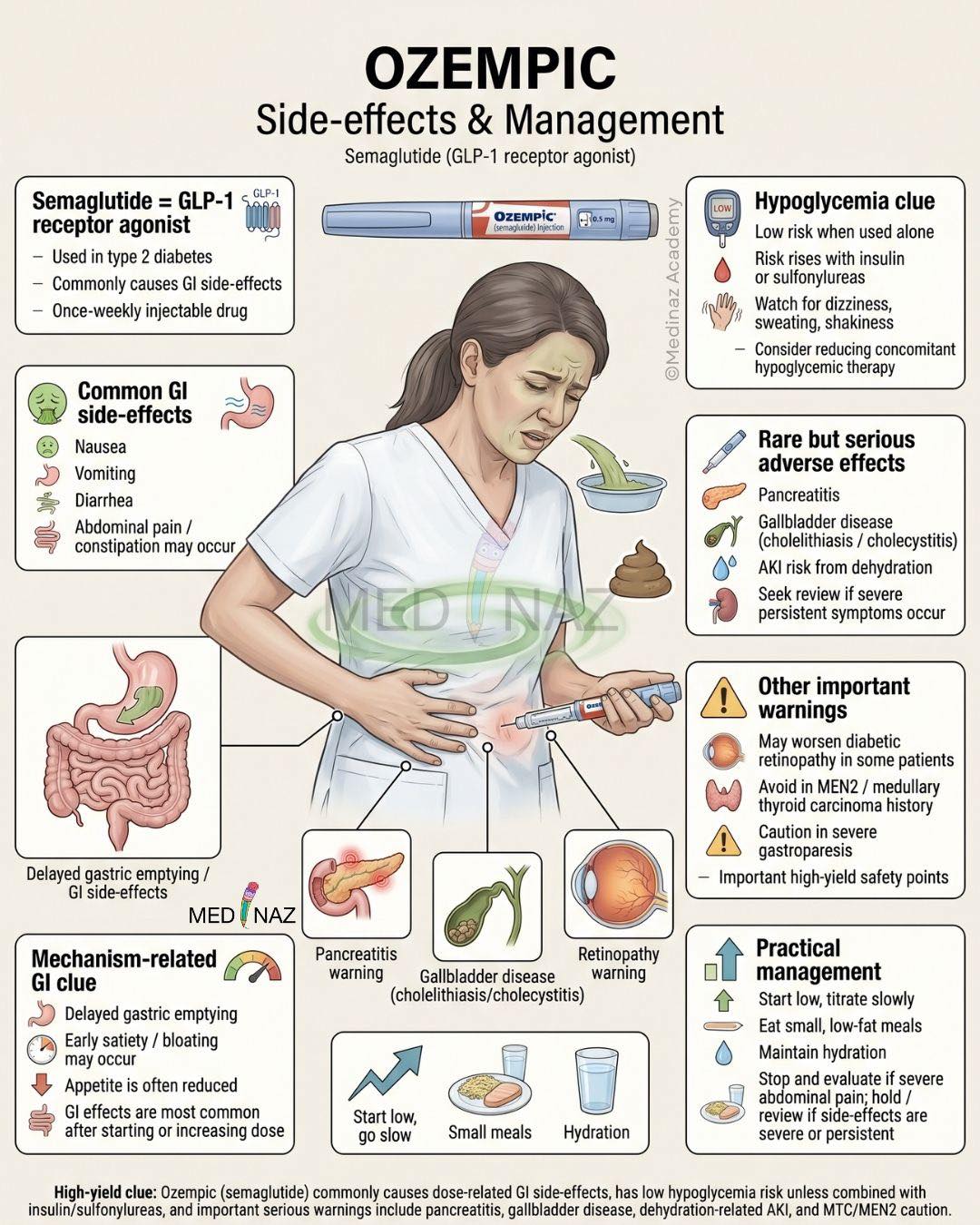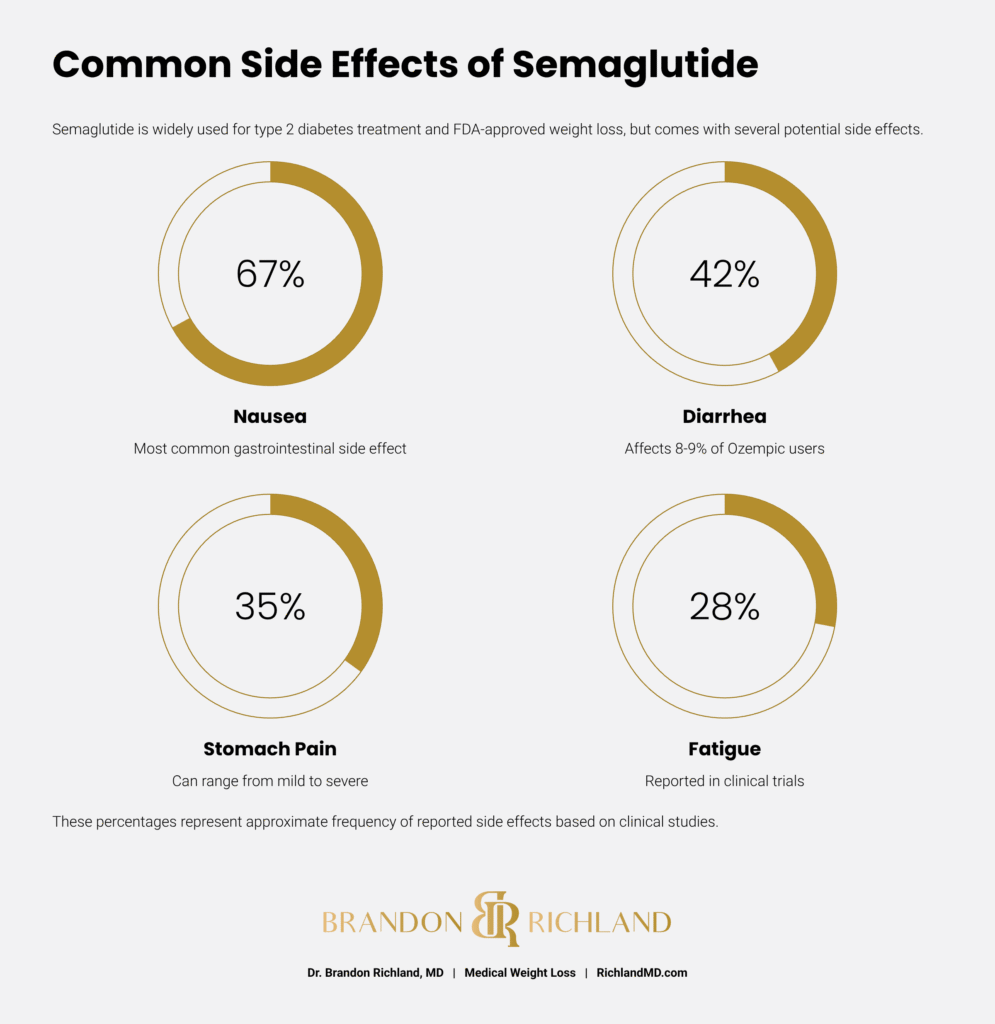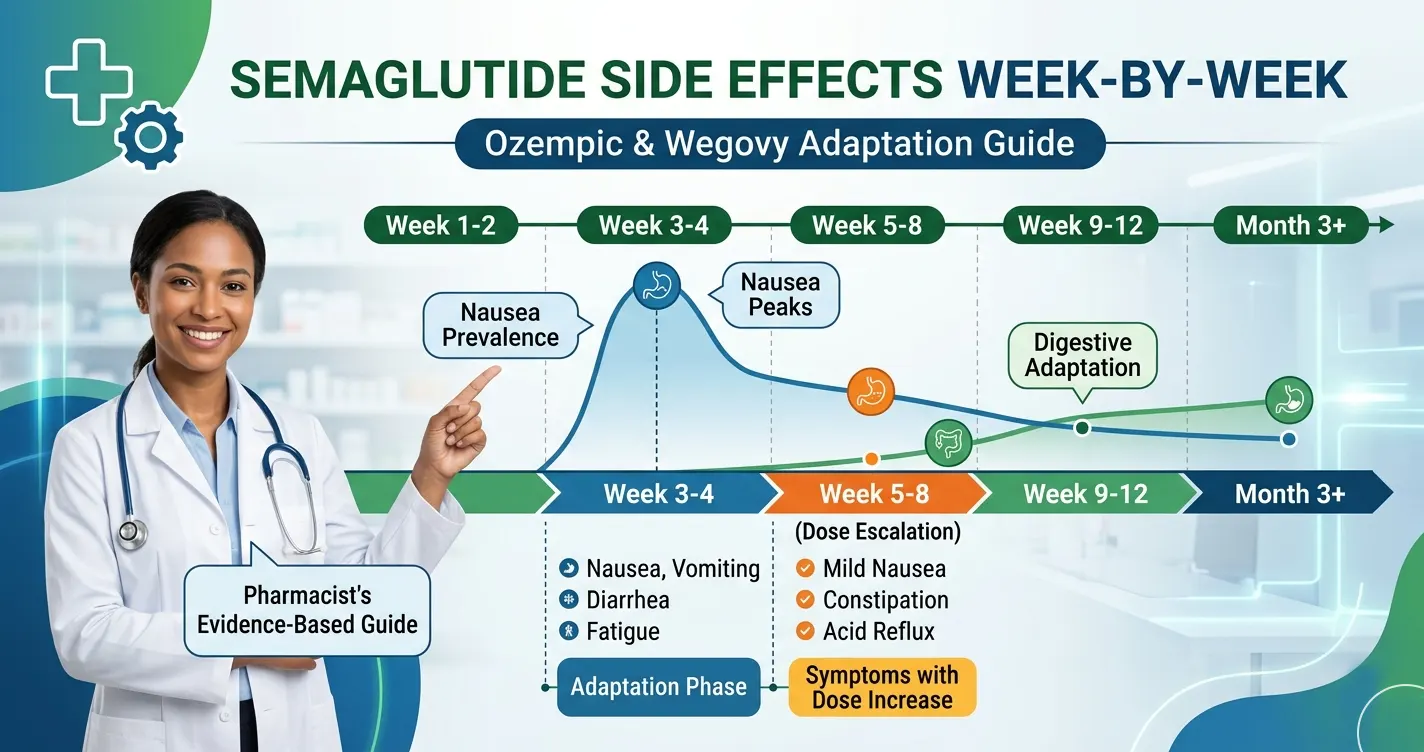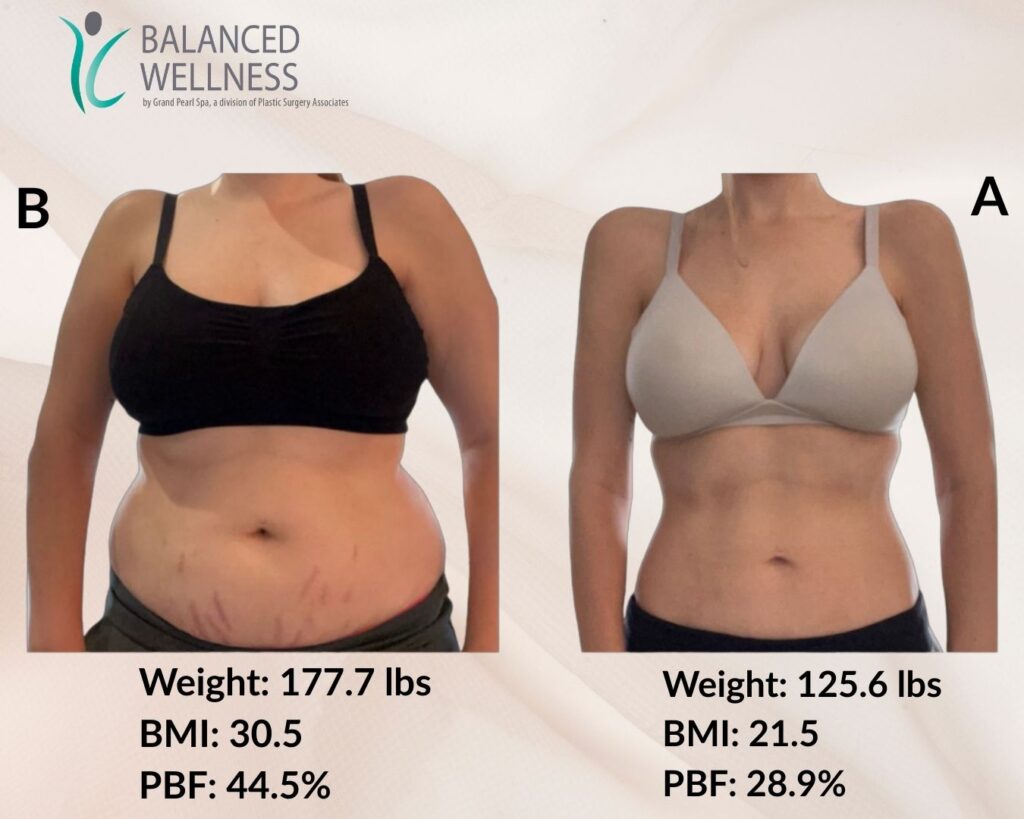
Clinical assessments were conducted every 3 months to evaluate efficacy, measured as percentage of total weight loss (%TWL), excess weight loss (%EWL), changes in BMI, and improvement in comorbidities, as well as tolerance, monitored for adverse effects including gastrointestinal symptoms (e.g., nausea, vomiting, diarrhea) and discontinuation rates
GLP-1 is an incretin hormone secreted by the intestine after food intake
While still a subject of active research, treatments for obesity need to be conscious of the goal to maintain lean muscle mass
What stood out most was the ongoing clinical support
This attenuation is explained in part by shifting complier composition: As GLP-1 diffusion expands, the marginal patients induced into treatment become progressively healthier
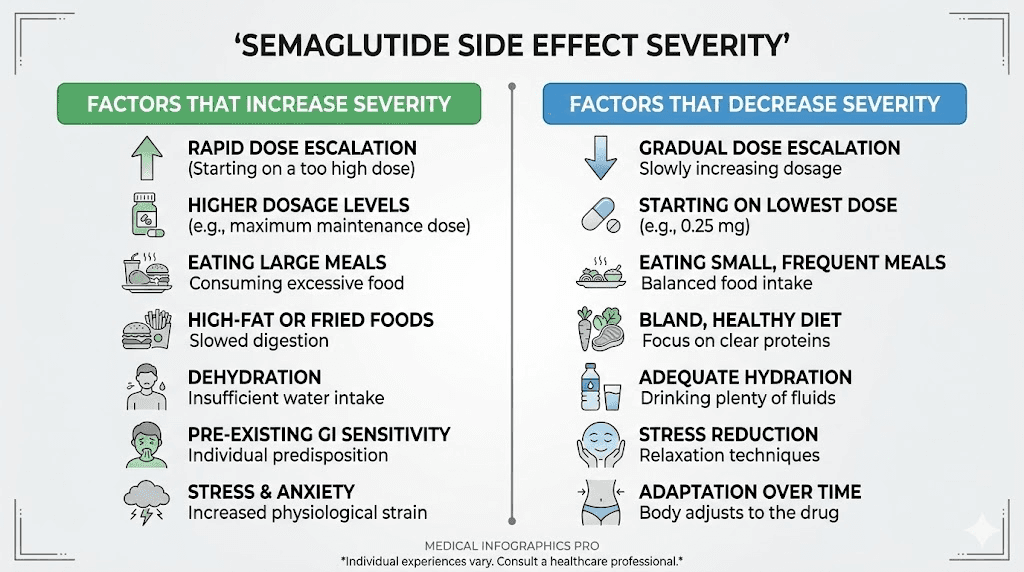
To reduce nausea, eat smaller, more frequent meals throughout the day rather than three large meals