C.FanosV
Unlike full proteins, their small size allows them to cross biological membranes more readily and interact precisely with specific receptors, making them powerful tools in both medical research and performance biology

Shop Medications , How magnesium may improve sleep Increases GABA neurotransmitter activity, which has a calming effect Inhibits NMDA receptors, promoting muscle relaxation Blocks calcium entry into muscles, aiding overall relaxation Helps regulate melatonin, the hormone controlling the sleepwake cycle Scientific evidence Some trials show magnesium + vitamin B complex + melatonin improved sleep quality in people with insomnia (2019 study) Other studies in older adults found no significant benefit over placebo Few randomized controlled trials exist, so routine recommendation for insomnia is not established Other benefits of magnesium Improved exercise performance Reduced anxiety and depression symptoms Better blood sugar control Lower blood pressure and heart health Enhanced bone health Migraine relief Premenstrual syndrome (PMS) symptom relief Management of restless leg syndrome Prevention of preeclampsia and eclampsia Dietary sources of magnesium Pumpkin seeds, roasted, 1 oz (37% DV) Chia seeds, 1 oz (26% DV) Almonds, dry roasted, 1 oz (19% DV) Spinach, boiled, cup (19% DV) Cashews, dry roasted, 1 oz (18% DV) Peanuts, oil roasted, cup (15% DV) Shredded wheat cereal, 2 large biscuits (15% DV) Soymilk, 1 cup (15% DV) Dark chocolate, 1 oz (15% DV) Black beans, cooked, cup (14% DV) Edamame, shelled, cooked, cup (12% DV) Peanut butter, smooth, 2 Tbsp (12% DV) Potato, baked with skin, 3.5 oz (10% DV) Brown rice, cooked, cup (10% DV) Yogurt, plain low-fat, 8 oz (10% DV) Fortified cereals, 1 serving (10% DV) Instant oatmeal, 1 packet (9% DV) Kidney beans, canned, cup (8% DV) Banana, 1 medium (8% DV) Types of magnesium supplements Magnesium citrate raises levels and acts as a laxative Magnesium oxide used for constipation or antacid, lower absorption Magnesium chloride well absorbed, also used topically Magnesium sulfate (Epsom salt) baths for muscle soreness Magnesium glycinate may aid sleep, anxiety, and muscle relaxation Magnesium lactate food additive, less common supplement Magnesium malate well absorbed, gentler on stomach, used for fatigue Magnesium taurate limited evidence for blood pressure and heart health Side effects of magnesium supplementation Nausea, diarrhea, vomiting, abdominal cramping Excess magnesium can cause low blood pressure, slowed heart rate, confusion, breathing difficulty, arrhythmias, coma Best form for sleep Magnesium glycinate is often recommended for sleep support due to its calming effects and the glycine component, which may promote sleep in animal studies
/https%3A%2F%2Fopengraph.b-cdn.net%2Fproduction%2Fimages%2F2ed46913-f157-43c3-9418-19fea49af16c.png%3Ftoken%3DUl4O1QAtXTaMUjOfpBooUL-C8jajM-YwYFPrjCtr6ms%26height%3D1080%26width%3D1080%26expires%3D33315971423/og.png)
This regulatory effect helps preserve collagen integrity, maintain epithelial barriers, and reduce inflammation-driven degradation associated with aging and chronic stress
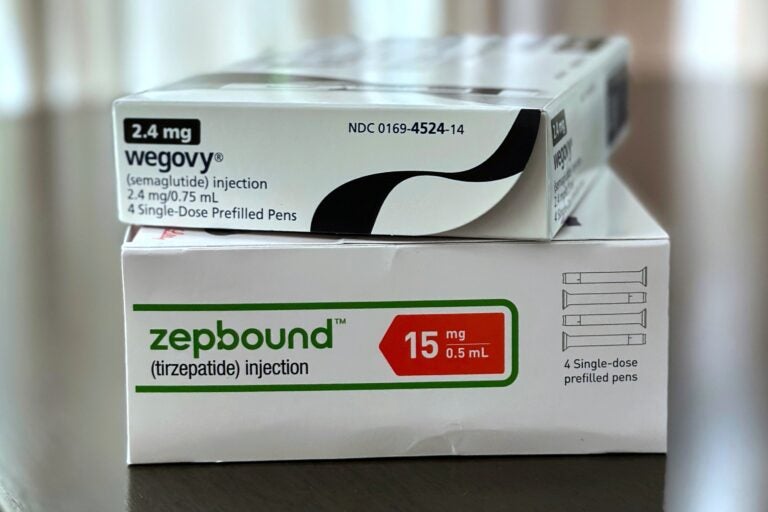
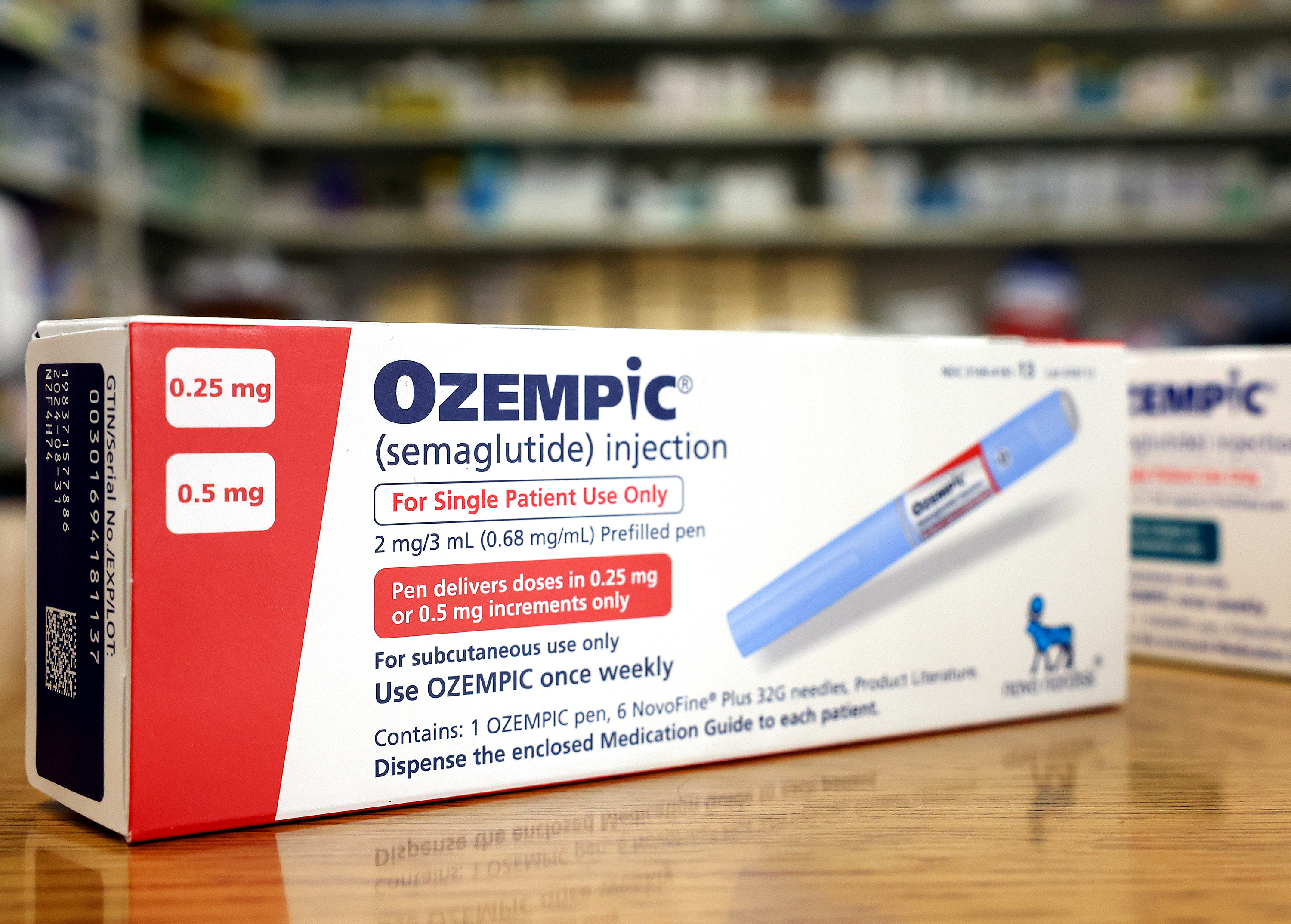
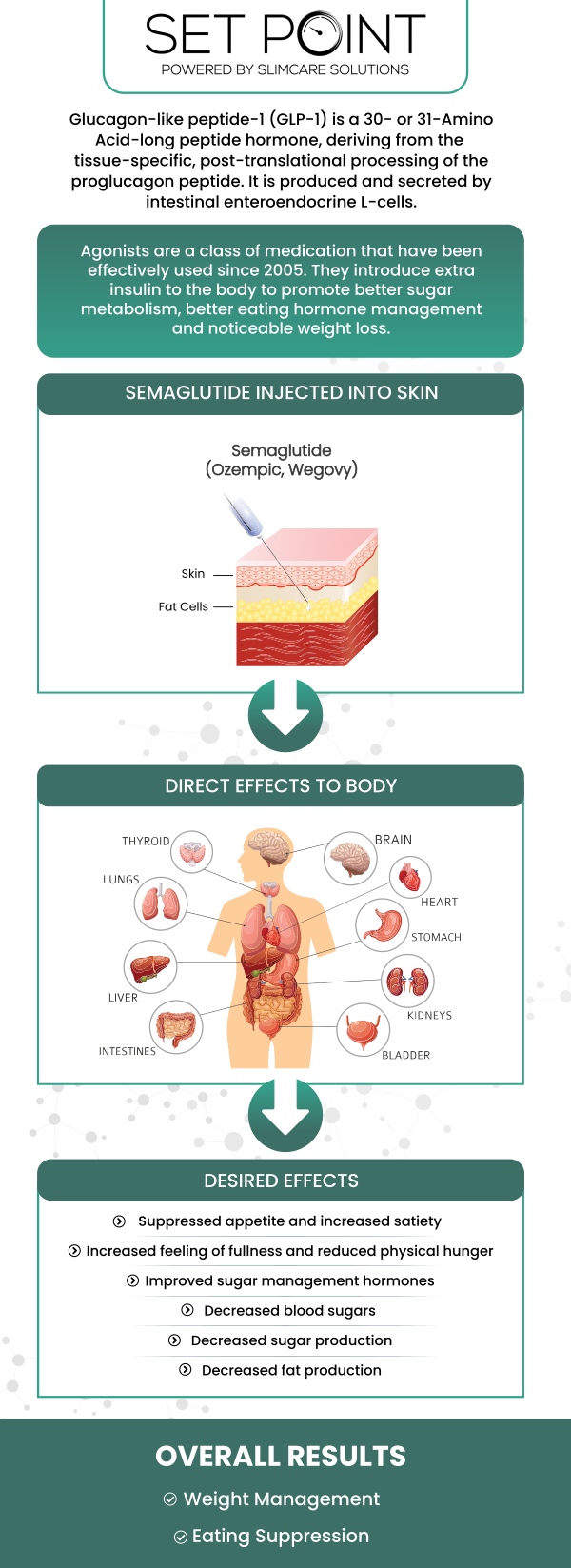
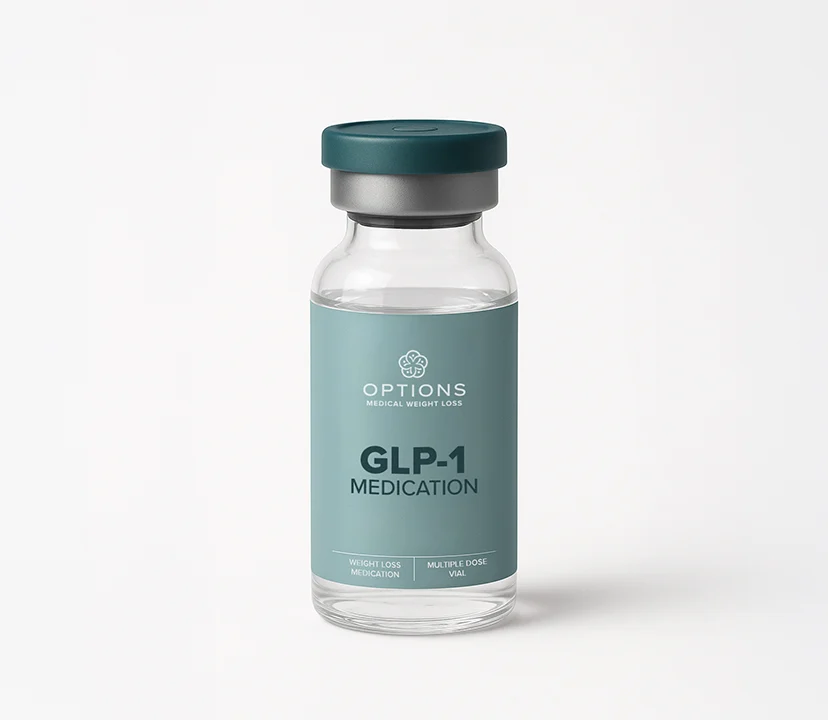
This marketing approach capitalises on the recent media attention surrounding effective prescription GLP-1 medications, creating confusion about what these supplements can realistically achieve
G., Nomura, M., Auwerx, J