You can also remove it completely by choosing the remove item option
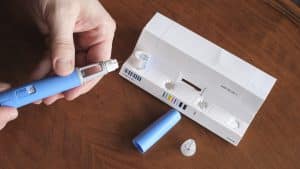
Heres what you can expect: Quick and Easy : Injections are administered in a matter of minutes
Dias I, Costa RGA,Rodrigues A, Silva SLR,Oliveira MS,Soares MBP,Dias RB, Valverde LF, Gurgel Rocha CA

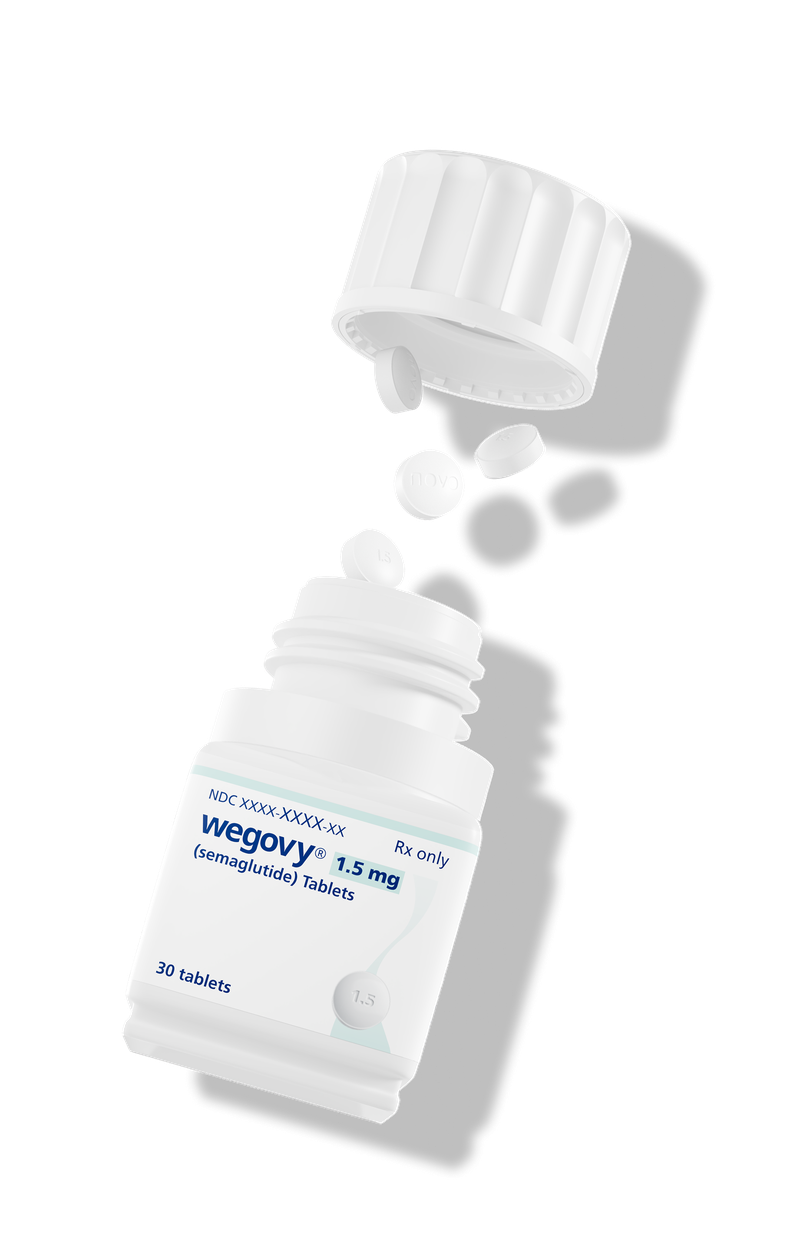
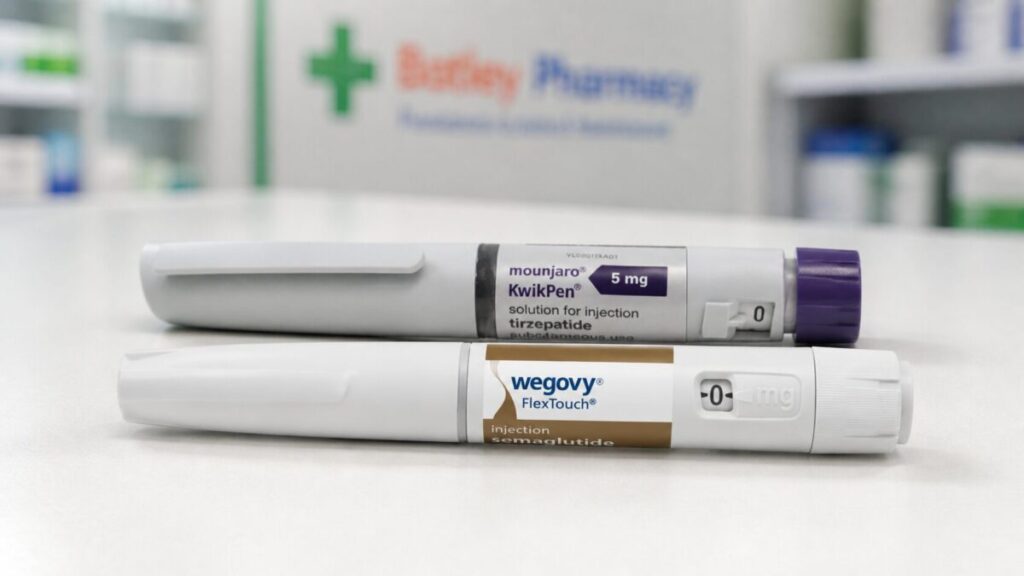
Those who continued the medication maintained or continued to lose weight, while those who stopped regained much of the weight lost, underscoring the need for long-term therapy.23 Longer-term outcomes were assessed in STEP 5, which extended treatment to 104 weeks and demonstrated sustained weight loss of approximately 15%.24 In East Asian populations, STEP 6 showed similar results, with participants achieving an average 12% to 13% weight loss over 68 weeks.25 STEP 7, a 44-week trial including participants from China, Hong Kong, Brazil, and South Korea, found that those on semaglutide lost an average of 12.1% of their body weight compared with 3.6% with placebo.26 Lastly, STEP 8 compared semaglutide with liraglutide and showed greater efficacy with semaglutide (15.8% vs 6.4% weight loss), as well as better tolerability and more convenient weekly dosing.27 Taken together, the STEP trials show that semaglutide consistently results in clinically meaningful weight loss across various populations and treatment conditions

However, some may experience mild, temporary irritation, redness, or even minor breakoutsoften referred to as 'copper peptide uglies'especially when first starting or using higher concentrations

GLP-1 is an incretin hormone that regulates blood glucose by stimulating insulin secretion and suppressing glucagon in a glucose-dependent manner GLP-1 secretion is triggered by nutrients (carbohydrates, fats, proteins) and dietary fibre, not by plain water consumption Water promotes satiety through gastric distension rather than hormonal mechanisms involving GLP-1 pathways Evidence-based approaches to support GLP-1 include increasing dietary fibre, consuming adequate protein, and choosing lower glycaemic index foods GLP-1 receptor agonists are NICE-approved medications for type 2 diabetes when other treatments have not achieved glycaemic targets Table of Contents Understanding GLP-1 and Its Role in Blood Sugar Control Glucagon-like peptide-1 (GLP-1) is an incretin hormone produced primarily by specialised L-cells in the distal small intestine and colon